The Business of SA Gaming: Trends and Analysis
This realm of the gaming industry has evolved significantly in recent years, and a notable of the most vibrant sectors within this market is SA Gaming. Recognized for its forward-thinking method and broad offerings, SA Gaming has made a major impact on not only local and global markets. As more players seek entertaining adventures and captivating content, the brand has positioned itself at the forefront of this changing landscape, tapping into trends that resonate to a diverse audience.
With developments in technology and changes in consumer behavior, the business of this sector continues to develop. From the rise of mobile gaming to the trendiness of live dealer games, the landscape is always shifting. Understanding these trends not only helps industry stakeholders stay relevant but also offers perspectives into the prospects of gaming. This article will explore the current trends and key insights that define the business of SA Gaming, highlighting how the industry is adjusting to meet the demands of modern players.
Overview of SA Gaming Market
The gaming market in South Africa has experienced significant expansion in the last few years, propelled by technological innovations and a rising demand in digital entertainment. South Africa's gaming sector comprises various areas such as virtual casinos, gaming, and betting on sports. As mobile technology advances, a greater number of individuals are accessing gaming platforms on cell phones and tablet devices, leading to an growth in gamers and profits.
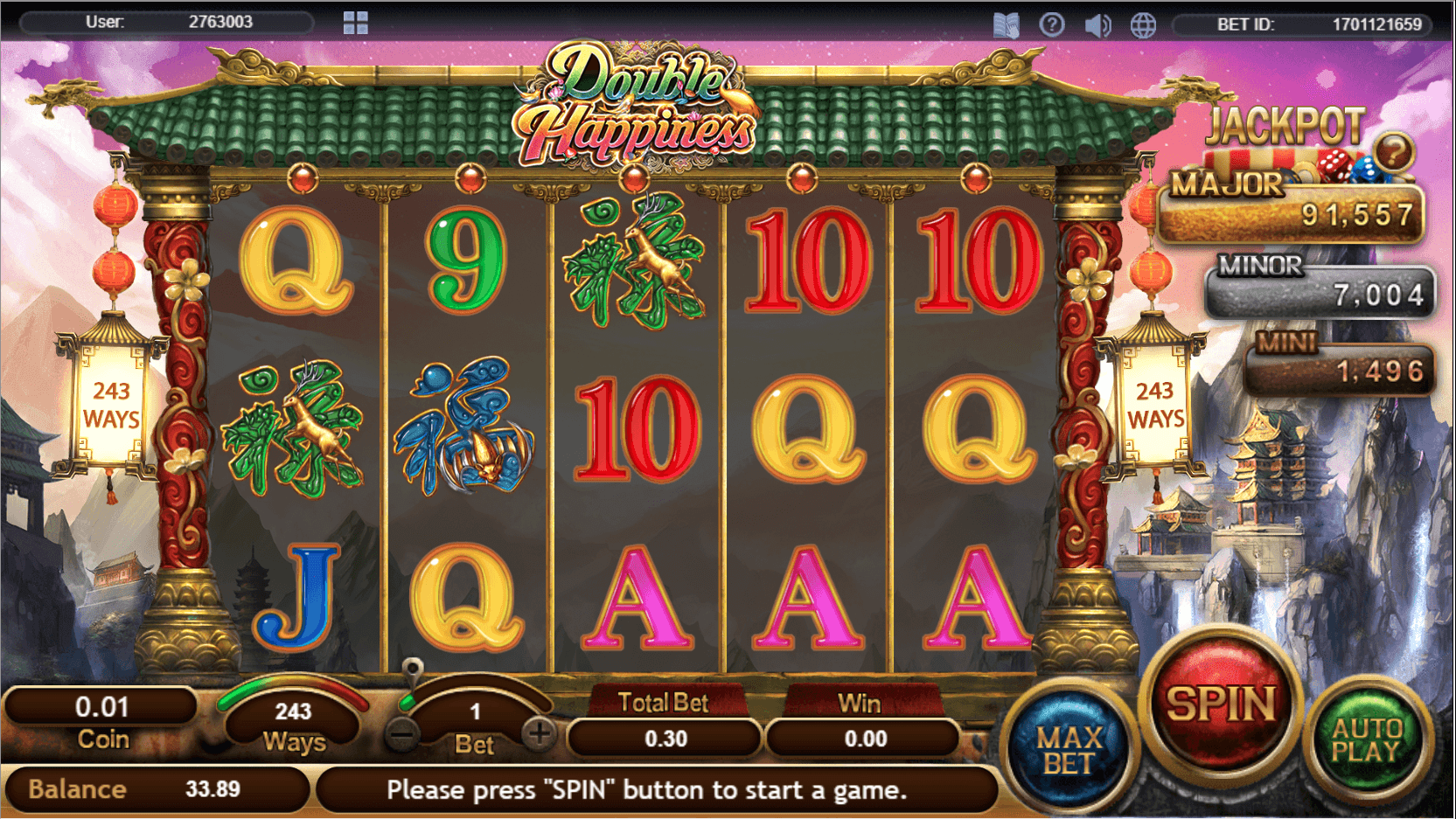
Legal shifts have also influenced the terrain of the gaming sector in South Africa. With the legalization of online gambling in select provinces, businesses have joined the market with novel solutions that serve local preferences. This change has stimulated contestation, resulting in diverse offerings for consumers. Players in South Africa are now able to partake in a variety of experiences, from old-school casino games to contemporary video games, all available.
In contrast with regulatory factors, cultural dynamics play a key role in the gaming market. The increasing youth population and shifting cultural attitudes toward gaming have contributed to a booming industry. As gaming emerges as more accepted as a form of entertainment and social interaction, businesses are more often attempting to exploit this changing market. With its distinct mix of local and global trends, the SA gaming landscape is prepared for continued evolution and progress.
Current Trends in SA Video Games

The scene of SA gaming is experiencing substantial transformations propelled by technology and consumer preferences. One key tendency is the rise of mobile gaming, which has exploded in fame due to the availability of smartphones. Gamers in South Africa are progressively preferring to play on their phones, leading game creators to adapt games for smaller screens and create apps that serve particularly to this audience. This shift has created new channels for income for gaming companies and broadened the footprint significantly.
Another key movement is the growing interest in esports, which has captured the attention of both gamers and spectators alike. South Africa is seeing a wave of competitive gaming tournaments, where local players is showcased and fans come together to cheer for their favorite teams. Brands and investors are beginning to acknowledge the opportunity of investing in this sector, additionally amplifying the visibility of competitive gaming and opening up chances for collaborations that benefit both the esports ecosystem and established video game companies.
In conclusion, the adoption of virtual reality (VR) and augmented reality (AR) is gaining momentum traction in SA gaming. Creators are exploring these technologies to create immersive experiences that engage players on a new dimension. This innovation not only improves gameplay but also cultivates a deeper connection between gamers and the game narratives. As the demand for state-of-the-art experiences expands, we can anticipate to see more titles that employ VR and AR, positioning South African video games on the global map.
Major Players in the Industry
The realm of SA Gaming is vibrant and competitive, with numerous key participants defining the environment. Leading among them is SA Gaming itself, known for its innovative gaming solutions and captivating content. They have created a strong presence in the online gaming market, providing a wide range of products that appeal to players and operators alike. Their user-friendly interfaces and superior graphics have drawn a dedicated customer base, positioning them as a pioneer in the sector.
Another significant player is Evolution Gaming, which has made a name for itself in live dealer gaming. Their state-of-the-art studios and commitment to delivering an enthralling gaming experience set them apart from rivals. Evolution Gaming continuously expands its portfolio, ensuring a broad selection of live games that attract a large audience. Their tactical partnerships with numerous online casinos have enhanced their reach within the SA Gaming sector.

In conclusion, Pragmatic Play has emerged as a formidable contender in the SA Gaming market. With an wide-ranging portfolio of casino games, including slot machines and live casino options, they have secured the attention of players seeking exciting and captivating experiences. Their commitment on providing top-tier content and frequent game releases has allowed them to retain relevance in a fast-paced environment. Pragmatic Play's adaptability and innovation continue to propel growth within the market, making them a crucial player in the SA Gaming space.
Regulatory Framework
The regulatory environment in the South African gaming sector has evolved significantly over the recent years, propelled by tech advancements and changing consumer tastes. The National Gambling Act of 2004 set the foundation for a unified regulatory framework, but provinces have since implemented their own regulations to manage local gaming operations. sagaming -tiered structure often results to complexities for businesses who must navigate varying provincial laws while adhering to national standards.
The rise of online gambling has encouraged regulators to reevaluate existing laws to ensure they remain applicable in a virtual landscape. Recent debates have focused around the need for comprehensive structures that govern online wagering and gaming operations. This move is crucial to safeguard consumers and stop illegal activities, as the global trend towards online gaming keeps to gain traction. Oversight authorities are increasingly focused on enforcing measures that ensure fairness, openness, and prudent gaming practices.
Additionally, the growing recognition of safe gambling is shaping policy development in South Africa. Regulators are highlighting the significance of consumer protection and support services for individuals facing gambling-related issues. Programs aimed at promoting education, support services, and self-exclusion options are becoming more prevalent, signaling a move towards a more comprehensive approach to regulation in the gaming sector. As the sector continues to evolve, staying in compliance with both existing and new regulations will be crucial for the success of SA gaming operators.
Upcoming Opportunities and Challenges
As the environment of South African Gaming keeps to change, there are significant prospects arising in the realm of tech integration. The rise of virtual reality and AR gaming offers a fresh dimension for players, creating engaging encounters that can draw in a broader audience. With developments in mobile technology, developers have the opportunity to enhance access, allowing gamers to engage with their favorite titles at any time and any place. This transition towards mobile and immersive gaming provides a lucrative market for operators ready to innovate and adapt.
However, alongside the potential for expansion, there are substantial challenges that the South African Gaming sector must navigate. Regulatory scrutiny is increasing, with authorities worldwide enforcing tighter measures to ensure accountable gaming and protect consumers. Dealing with these regulations can be challenging for businesses, necessitating them to invest in adherence and risk management strategies. Additionally, the competitive landscape is growing, with emerging entrants continuously arising, making it essential for established players to distinguish their products to retain market share.
Looking ahead, the importance of social and community engagement in gaming will likely shape future trends. Players more and more seek not just games but also a sense of belonging and connectivity with others. Utilizing social platforms and community-driven initiatives can enhance the player journey and foster loyalty. However, ensuring a safe and inclusive environment for all players will continue to be a critical challenge for the industry, making it essential for stakeholders to prioritize responsible practices and community support as they seek growth in this dynamic market.