

How to Keep a Robot Vacuum Clean
Robot vacuums can help keep your floors clean. Depending on the model, they may also sweep, mop, and even vacuum stairs.
Look for models with advanced features, such as remote access and app control. Apps can be used to plan cleaning sessions and track progress. Some can even stop, recharge and then return to where they were when they left.
1. Battery Life
It's safe to say that future of cleaning has arrived. With cars that drive independently, drones that fly through the air and robot vacuums that move through furniture effortlessly It is possible to say that the future is now upon us. However, like all technology it requires some upkeep to keep it working efficiently.
The cycle of charging and discharging the battery is the most important factor for the life of your robotic device. Keep the dustbin full and empty. Check for tangled furs and stop the brushes from clogging.
Another factor is the environmental conditions where your robot is stored, as extreme cold and heat can impact the battery's performance. You can prolong the life of your battery by ensuring it's charged to 50% prior to storage, storing it in a cool place, and taking it off of sources of power when it is not in use. Additionally, most smart devices receive periodic firmware updates that improve performance, including battery optimization, so be sure to check the app for updates.
A robot vacuum is an excellent alternative for those with many hard floors. It's able to swiftly and efficiently get rid of dirt and other debris and leave your floors sparkling clean. If you're looking for more than a quick clean-up, you should look for a model that has superior navigation and obstacles avoidance.
Our top-rated robot The Ecovacs Deebot T20, blends advanced navigation and a powerful suction and a variety of mopping functions to deliver an extensive, thorough clean of your floors. It utilizes cameras and LiDAR sensors to create detailed maps of your home, which allows it to stay on the right the right path and avoid getting stuck on furniture legs or power cords. It also can detect objects like clutter and shoes, and then automatically clean them. And it's self-emptying, meaning that you don't have to return the vacuum to its base station to empty its bin after every cleaning session.
2. Dust Bin
Robots are ideal for quick midweek cleaning but lack the suction to replace a plug-in vacuum cleaner for a thorough clean. Even the most powerful robot vacuums are susceptible to getting tangled in cords and toys. They also tend to overlook dirt piles near baseboards and struggle to get rid of dust from under furniture. The dust bins on their own get so full that they need to return to their charging docks in order to empty themselves, which can take as long as half an hour for certain models.
As such, it's important to look for a robot vacuum that has a large dustbin and can empty into its dock and not return to complete the job. You'll also want to consider whether you'd prefer bagged or unbagged models, and if you do choose a bagless option the amount of dust be able to hold before needing to be empty.
In our tests we apply 100 grams of sand to the carpet in a medium pile and use a robot vacuum to vacuum it over the surface. We then weigh the amount of sand we find in the onboard dust bin to determine the amount of dirt it has collected. A high amount means that the bin could get fuller and force your robot to stop cleaning.
It's good to know that most robot vacuums come with large dust bins that can be easily emptied. You can also set up that they empty their bases at least one or two times per day. Keep a can of compressed air nearby to blow out any hairs that are tangled up in the rotating brush, and to clean any filters according to the instructions of the manufacturer.
3. Wi-Fi Connectivity
The top robot vacuums provide a variety of connectivity options to connect to your home's Wi-Fi network. This lets the robot update its software and gives you the option of monitoring your robot through an app or voice commands. This isn't a necessity, however it provides convenience and options for customization that can enhance your robot's overall vacuuming experience.
To ensure they are functioning at their peak the majority of models require a certain amount of maintenance. For instance emptying the dustbin and cleaning the brushroll. Maintaining a close eye on consumable parts and following a regular schedule for cleaning and detachment will increase their lifespan as well. Emily Rairdin, a vacuum expert at University Vacuum & Sewing, says that a robot's lifespan is typically between three and five years. However, it can vary based on the frequency you use it and if you maintain it properly.
To function a robot vacuum, it has to be able to map out your floors and navigate around obstacles. Advanced navigation systems typically include sensors for cliffs that alert the robot to a steep drop as well as laser and optical sensors that allow it to "see" the layout of a room. Some robots come with mopping capabilities that can be used to keep floors between deep cleanings with a vacuum.
The most effective 2-in-1 vacuums also mop. This means you don't have to switch between an automatic vacuum and an manual one. The iRobot Roomba 690 is a powerful, highly efficient vacuum cleaner that can also clean its mop pad and wipe down surfaces using its water tank. Its obstacle avoidance and mapping abilities were so effective that it was awarded the the CR's Best Robot vacuum Award, as well an AVTech Editors' Choice Award.
4. Cleaning Patterns
The best robot vacuums we tested have impressive pickup scores on hard floors and carpets with low pile. They remove dust, dirt and pet hair. They also sweep away crumbs and debris from the edges of rooms and along baseboards. They can't remove deep-seated dirt or tangles of plush shag fibers, like an upright or a canister. They also aren't able to remove spilled liquids and food particles, or heavy metal screws and they could leave a few spots in the house (including under furniture).
Many models come with clever features that make them more user-friendly. They usually have an app that allows you to schedule cleaning sessions and manage the robot remotely. They can be integrated with your smart home system, so that you can make voice commands using Amazon Alexa or Google Assistant. Some models have multiple modes, allowing users to choose between mopping and sweeping or vacuuming. They can recharge at their docks and continue cleaning where they left.
The technology for avoiding obstacles has advanced over the years, but it is still important to take away cords, toys and pet debris prior to running the robot. You should also cover any mirrors that are floor-to-ceiling with cardboard prior to tracing out the room for the first time since the lasers used by some models can bounce off reflective surfaces and cause the robot to bump into the floor or wall.
The most expensive models come with advanced mapping capabilities, some using lidar to generate a 3D map of your surroundings. This allows the robot to remember obstacles and design the most efficient route to avoid them. Some models also let you set no-go zones, so the robot will not be able to enter certain areas like your pet's food bowls or an expensive rug.
5. App Control
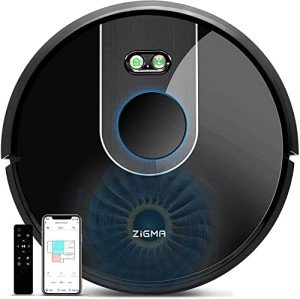
Many robots let you create a schedule for cleaning and control them without hands using an app, meaning you can take care of your home when you're at work or away. Some robots also have the capability to self-empty into a larger bin at their base which helps reduce dust release and is a wonderful feature for people suffering from allergies.
robot vacuum cleaners best , like the more expensive Roborock S8 Pro Ultra, can detect objects on the floor and employ a camera to instruct them to avoid obstacles like furniture legs, power cords or pet toys. This is an impressive feature and is even offered in less expensive models. It's essential to regularly empty the dustbin of your robot, and that you check for tangled fur as it gets accumulated.
Certain models can also create 3D representations. This is beneficial when you have more than one floor. You can then select specific rooms and set up digital zones for keeping out to ensure that your robot focuses on what you want it to focus on, instead of wandering around areas you don't need cleaning.
Robots are great for midweek cleaning, but they cannot replace a plug-in vacuum especially when it comes to rugs. They're better at removing dirt embedded in carpet than floors that are unfinished, but they're still unable to pick up piles of debris close to baseboards and thresholds, and tangled socks and cords. To make the most of your robot, look for a model with zone and spot cleaning modes to focus on particular areas and prevent unnecessary cleaning. You can also find models that charge and then resume where they stopped. This is ideal for houses with large spaces.