4 Dirty Little Secrets About Budget Robot Vacuum Industry Budget Robot Vacuum Industry
Buying a Budget Robot Vacuum
While more expensive robots can better handle pet hair and dirt clumps, budget models are able to do a decent job. Examine the specifications of the machine for dirt storage and clearance. Also, check if it can connect with a home assistant such as Alexa.
The Dreametech D10 Plus, a mid-range bot, is one of few bots under $400 that can mops and map as well as auto-empty. Its tank-like tires can easily navigate around obstacles like lounger chair legs and high-speed changes.
Here are a few examples of
While robot vacuums are said to relieve your hands of the labor-intensive chore of cleaning floors, it's important to take into consideration a range of features prior to purchasing. Battery life, scheduling, and navigation are all important. You'll want to determine whether the robot mop or vacuum is easy to use, and requires minimal maintenance. For instance, you should empty the dust bin after each cleaning job and clean the mop pads on regular basis to avoid leaving a mess around your house.
The budget robot vacuums are typically basic models that lack the advanced features that are priced higher. They don't have the same level of mapping capabilities as more expensive models, but they can still keep your home clean. They don't employ cameras and other high-tech sensors to navigate your home, but they usually detect walls and furniture and move between rooms effortlessly. They also come with a variety of cleaning options to meet your requirements.
If you're looking for a low-cost robot vacuum that can do the job, consider the iLife V3s Pro. It's designed in a unique way that utilizes a tiny opening to suction debris instead of rotating brushes. This stops carpet threads and hair from getting stuck inside the brushes and enhances cleaning efficiency. It also comes with two side brushes and three bristles that push hair and dirt into the suction opening. The iLife V3s Pro has onboard buttons and an IR remote that make it simple to use. It doesn't have Wi-Fi so it's a good option for those who aren't sure to use internet-connected devices in their homes.
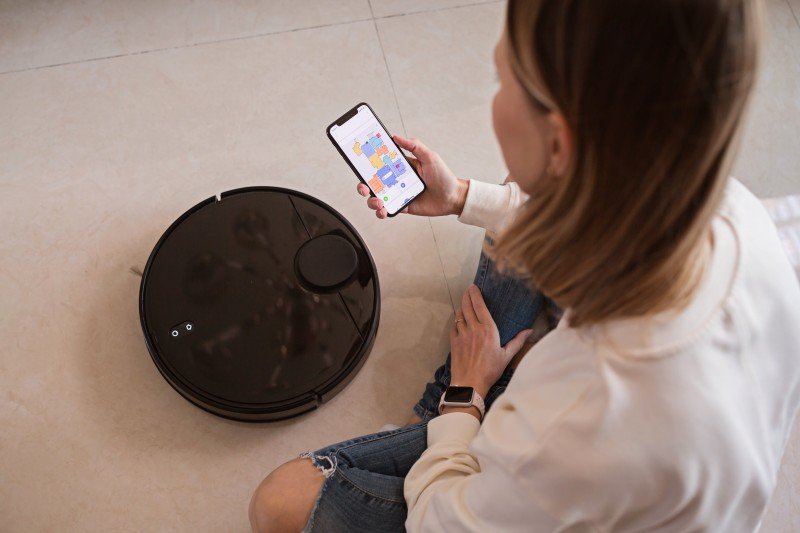
If you want a more sophisticated robotic vacuum, check out the $1,300 Dreame L40 Ultra. It features an forward-facing camera, which helps it outperform its rivals in navigating obstacles like cats and power cables. It can even spot dirt and alter its cleaning settings.
Suction power
It is important to consider the suction power when selecting the right robot. The suction power of a robot vacuum depends on its design, quality of construction and the size of its dust collection. The more dirt and dust that collects in the dust bin, the less effective its suction will be. It is essential to empty the bin as soon as possible and clean the filter, as well as other parts, on a regular basis.
The suction power of the robot vacuum is measured in units known as Pa (Pascal Pressure Unit). The more powerful the Pa rating the higher the performance of the vacuum. A robot vacuum in the middle range with a suction strength of 1500-2500 Pa is sufficient for most home cleaning requirements and will pick up daily particles like dust chips, breadcrumbs, balls and pet hairs. If you have carpets or rug, a vacuum with a maximum power of 6,000 PA is the best choice.
To get the most effective results from your robot vacuum, make certain to clean it regularly. It is essential to get rid of hairs that are tangled and clean brushes and wheels. Also, you should clean the filters at least once a month and remove lint on the brush rollers. It is also crucial to keep the battery to its maximum. The robot will stop and return to the base to recharge if the battery is not fully charged. This can make your floors filthy and dusty.
When choosing a robot vacuum, you should also consider the level of noise. Louder robots will irritate your family members more with their constant rumbling. If you're on a budget, look for a robot with a noise level of around 70 decibels. This is similar to the lawnmowers of your neighbors or the conversations you have at home.
Navigation
If you want a budget robot vacuum that's intelligent enough to not get caught in cables, socks and shoelaces, look for a model with excellent navigation capabilities. Certain models come with maps of your home, which can help to navigate around rooms and ensures that they are thoroughly cleaned. They also include obstacle avoidance, which can assist the robot in avoiding things that shouldn't be vacuumed, such as wires and furniture.
It is also important to determine if the robot has Wi-Fi capability. The majority of smart robots connect to your home Wi-Fi network via a Wi-Fi connection. They can be controlled using an app or voice commands. You will discover the details regarding the connectivity of your robot in the user manual or on its manufacturer's website.
The majority of budget robots have a relatively small dustbin, so they'll require emptying frequently. Some have self-emptying bases, which make the process faster. However, it's important to check the specifications of the robot vacuum to see the size of its bin and what kind of dirt it can contain.
Some budget robots are able to mop along with vaccuming, which is especially useful if you have lots of spilled drinks or food. For example, the iLife V3s Pro has a 3-in-1 function that allows users to simultaneously vaccum and mop rooms or groups of rooms in a particular sequence. The V3s Pro also has an iHome application that allows you to create no-go zones within the app and customize cleaning settings. It can also differentiate between hard flooring and carpet and ramp up suction power according to the situation. The Eufy L60 robot is similar, however, it does not come with the same speedy LIDAR map sensor as the V3s Pro.
Batteries
Rechargeable batteries are required to power the robot vacuum. Most of these are lithium ion batteries. They have a lengthy charging cycle and can store a massive amount of energy for their size and weight. These batteries are utilized in a variety of electronic devices, including laptops and smartphones and robot vacuums. To extend their lifespan and increase performance, it's essential to maintain them in a proper manner.
Many older robot vacuums use Nickel-metal-hydride batteries. These batteries last less and have lower charging cycles when compared to lithium-ion. Modern models typically use lithium-ion batteries, which provide longer runtimes and higher power efficiency. These batteries may be more expensive, but they are worth it if want the best performance from your robot vacuum.
Battery life is influenced by numerous factors, including how often you use your robot as well as the conditions under the environment in which it is stored. To avoid overcharging your robot's battery, keep it at about 50% charge. To ensure maximum performance, it's a good idea also to replace your battery every two years.
Some of the newest budget robots have smart capabilities that optimize cleaning and battery use. Certain robots, for example, pay special focus on areas with high traffic and decrease suction or mop scrubbing in order to conserve energy. Virtual barriers allow you to direct your robots to clean specific rooms, while avoiding others. Eco modes help reduce the robot's power consumption and noise.
Charge your robot up to 50%, and then switch it off when you plan to keep it for a long period of time. Keep it in a cool, dry place. Also, make sure to clean the filters and wheels on a regular basis.
Cost
When selecting a robot vacuum for your home, consider the cost against features that are important. Some people may be willing pay more for mopping capabilities, since it can improve debris collection and make floors appear more polished. While this is a reasonable expectation it is important to note that combos of robot vacuums and mops tend to be more expensive than stand-alone models.
The type of floor in your home is an additional aspect that needs to be taken into consideration. If you have carpets on your walls, you should choose a cleaner with a strong suction. It should also have a lower threshold for carpets in order to prevent the machine becoming tangled. Also, ensure that smart vacuum cleaner has the highest suction power, typically specified by the term "Pa," and see if it can adjust to different types of flooring.
Some robots include an app with a map and a schedule in the app. This can help you save time by automating your routine cleaning. These extras can be expensive.
If you're on a strict budget, opt for an entry-level model that comes with the features you require at a fraction of the price. The iLife V3s Pro, for instance, is one of the most affordable robot vacuums and offers many useful features. It also boasts an impressive cleaning capability. It can even avoid the danger of tripping over furniture and cords.
A few budget robotic cleaners do not provide Wi-Fi connectivity which makes them difficult to control via an app on mobile devices or voice commands. If this is a deal breaker for you, then look at alternatives like the Yeedi Vac 2 Pro and Dreame D10 Plus. The former has a large bin and a powerful suction power, while one with a self-emptying platform and mixed brush as well as obstacles-avoiding on the front with line-lasers.