Understanding Pulse Oximetry: A Vital Sign in Modern Healthcare


Our body's oxygen level plays an important role in the functioning of our organs. Low oxygen levels, commonly known as hypoxia, may cause severe complications like cardiovascular failure, shortness of breath, fatigue, and even death. This brings us to pulse oximetry, a non-invasive approach to evaluating a person's oxygen level. In this informative article, we shall dive into everything required to understand about PULSE OXIMETRY, from what it's, how it works, and its benefits in healthcare.
What is Pulse Oximetry?
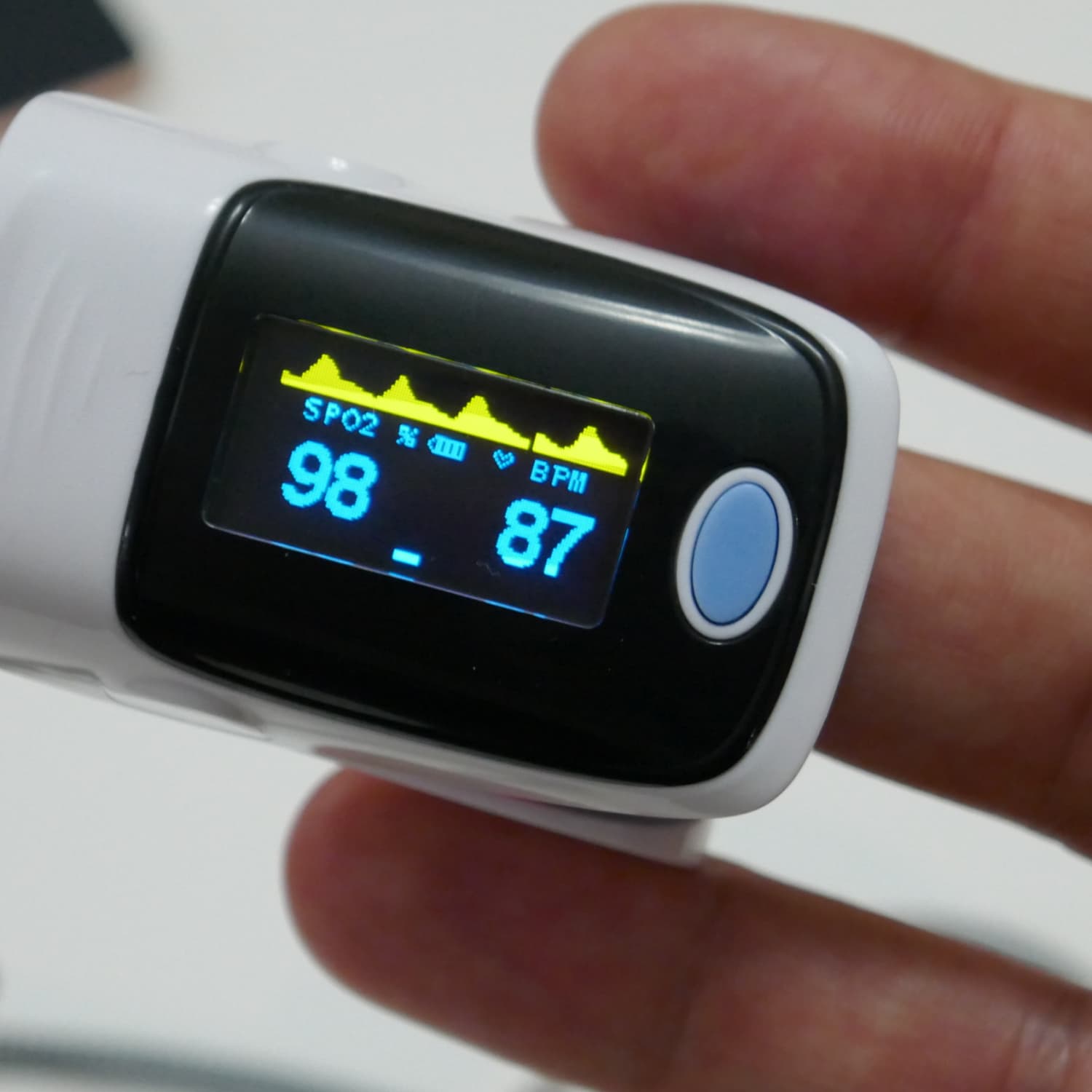
Pulse oximetry is just a non-invasive procedure that measures the oxygen saturation in a patient's blood. A small pulse oximeter device is put on the patient's fingertip, earlobe, or toe, and it measures the quantity of oxygenated hemoglobin and deoxygenated hemoglobin in the blood. Hemoglobin is really a protein found in red blood cells responsible for carrying oxygen to different areas of the body. Pulse oximetry can be used to ascertain the oxygen saturation level in the arterial blood, with normal oxygen saturation levels ranging between 95-100%.
How does Pulse Oximetry Work?
Pulse oximetry functions shining two forms of light, red and infrared, onto the patient's skin. The light is absorbed by the oxygenated and deoxygenated hemoglobin in the blood, with the quantity of light absorbed by the hemoglobin depending on its oxygen saturation level. On the basis of the absorbed light, the pulse oximeter can calculate the patient's oxygen saturation level, in addition to heart rate.
Great things about Pulse Oximetry in Healthcare
Pulse oximetry plays a critical role in healthcare because it offers real-time monitoring of patient's oxygen level. This is specially useful in patients with respiratory conditions, such as asthma, chronic obstructive pulmonary disease (COPD), and pneumonia, where low oxygen levels could cause rapid deterioration. Pulse oximetry can be found in anesthesia to monitor patients during and after surgical procedures to make sure they've enough oxygen for his or her organs to operate properly. Furthermore, pulse oximetry can also be used to detect certain heart conditions, such as for instance congenital heart disease and atrial septal defects.
Limitations of Pulse Oximetry
Despite its benefits, pulse oximetry has some limitations. Among the primary limitations is so it cannot distinguish between different reasons for hypoxia. For instance, a patient with low oxygen levels because of anemia seems just like an individual with hypoxia as a result of respiratory conditions. Furthermore, abnormal hemoglobins, such as for instance carboxyhemoglobin (from carbon monoxide poisoning) and methemoglobin (from certain medications), can hinder the accuracy of pulse oximetry results.

Conclusion:
Pulse oximetry is an essential tool in healthcare that delivers real-time monitoring of patient's oxygen level. It is non-invasive, easy to use, and provides accurate results quickly. It has numerous benefits, from monitoring patients with respiratory conditions to detecting heart conditions. However, it is important to keep in mind its limitations, especially in patients with abnormal hemoglobins. Nonetheless, pulse oximetry has demonstrated to be an invaluable tool in modern medicine, helping healthcare professionals detect and prevent hypoxia-related complications.