

Cabin Beds For Kids
A cabin bed offers the perfect opportunity to maximize space in children's rooms. It allows kids to climb into and out of beds by using stairs or ladders to encourage independence.
Most models come with desks, drawers and cabinets underneath for efficient storage. It is essential to take into account the child's maturity and age when choosing between a high-sleeper and mid-sleeper.
Versatility
Cabin beds can be used for a variety of purposes. They offer children the comfort of a bed as well as a study area as well as storage compartments for books, toys and other items. This helps them optimize space and keep their room clean while encouraging productive habits.
Cabin bed designs are available in a range of styles and colors so they can easily adapt to the preferences of your child and their room decor. They are also ideal for smaller rooms. The high sleeper or mid sleeper models have more space for children to play.
A lot of cabin beds are constructed with clever storage solutions integrated beneath the sleeping area. mid sleeper cabin bed have cupboards and drawers that give ample space to store blankets and extra bedding. Shelving units are an additional useful option, allowing for an organized and tidy space to store toys and games. Some beds are equipped with tables built in which allow you to have a study space without having to reduce floor space.
As children grow older and become more independent, their bedrooms become an area where they can focus on their studies or indulge in their hobbies of choice. A bed with a built-in desk is a great choice for teenagers. This is an excellent option for parents seeking solutions that are compact in college dorms.
Cabin beds are a great option for small spaces they can also be paired with other furniture pieces to create a more complete living or office environment. A few cabin beds for kids are paired with a stylish closet for extra storage as well as a chair or sofa to relax in. Some companies also sell accessories that dress up the cabin bed for kids with an inviting space or tent.
Make sure to take measurements of your child's bedroom prior to making a decision on a cabin bed. This will ensure that the furniture will fit comfortably. It is also recommended to measure the height of your child's ceiling particularly if you are you are considering a high or mid sleeper model. Think about any additional features like slides or ladders, as they can affect the overall height.
Space-saving
Cabin beds are a space-saving solution for the bedroom, offering more than just a place to sleep. A lot of models have desks that let your child do creative work or study while reclining comfortably. To maximize functionality, the desk area can be further enhanced by shelves or drawers.
The open space under a cabin bed can be converted into a playroom with an added bonus. This can encourage imagination and is a fantastic method to boost learning and productivity. Some models have fun designs that look like castles or treehouses. They take your child into a fantasy world of adventure and play.
The elevated platform of a cabin bed enables your child to climb up into the room on their own. This fosters independence and encourages self-reliance. This feature is especially useful for children who are scared of falling off their normal bed. It can also be an ideal place to store toys and other things which helps keep the room neat and tidy.
As opposed to loft beds the cabin beds aren't raised as high, which makes them suitable for rooms with a limited space. Many models include storage solutions such as drawers or shelves underneath to maximize the efficiency and utility. Some models include a desk that pulls out that can be used to study or pursue hobbies. These features can aid your child to stay focused and organized while encouraging productivity and an appreciation for responsibility.
A cabin bed with desk is a flexible option for any teenager or child's bedroom. The desk space provides a productive workspace that adapts as your child grows and the sleeping area gives them a comfortable and relaxing space to sleep. This combination creates a sleek and compact living space ideal for student homes or small apartments.
Adaptability
In today's compact living spaces, furniture that is space-efficient is essential. Cabin beds provide a stylish, versatile solution to compact living that maximizes functionality and enhances organization. Designed with kids in mind, these multi-purpose pieces are able to easily adapt to changing needs and growing children. Many models include features like adjustable desks that can be removed or removable heights, which allows you to customize the bed to suit your child's evolving needs.
The elevated sleeping area on a cabin bed provides ample storage for toys, books, bedding and more. Many designs have built-in shelves, drawers and cupboards to keep essentials easily accessible. This helps to organize and less clutter in the bedroom. It is an ideal choice for small bedrooms or for those transitioning from toddler bed to a full-time one. Furthermore, the storage areas under the bed can serve as study or play areas for kids.
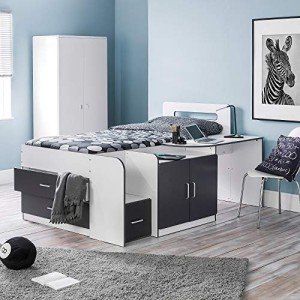
Many cabin beds come with desks built-in that can be used for schoolwork, homework, and arts and crafts. This can aid your child in staying focused on their task and remain focused, which will enhance their academic performance and overall wellbeing. The large desks are enough to accommodate a chair or computer and allow the child to work at their own pace.
A lot of cabin beds have fun themes that will inspire imagination and spark their creativity. They can come in the form of a treehouse, castle or tent, to appeal to the desires of both boys and girls. Moreover they can be designed to match other pieces of furniture in the room of your child like dressers and bookcases.
Cabin beds are an excellent investment for families with growing children. The beds can be reconfigured as children grow, allowing parents to save money while making the most of their bedrooms. The Disc-O-Bed system, for instance can be used to reconfigure bunk beds into single twins, or even a seating space. Furthermore the system can be upgraded to meet future needs, like adding the addition of a desk or storage space.
Safety
Cabin beds are practical, but they also have specific safety issues. The elevated nature of these beds requires the use of safety features, such as guard rails or ladder designs that adhere to strict standards for child safety. Other design elements include a solid foundation as well as rounded corners. non-toxic finishes that guard against injuries caused by sharp corners. Parents should pay attention to the dimensions of the cabin bed, ensuring that it is appropriate for the available space in the bedroom and is able to support the child's weight using the top bunk.
Cabin beds encourage independence in kids through their raised sleeping platform, which is accessible via steps or ladders. The experience of climbing into their bed independently fosters confidence and self-confidence. This can be particularly beneficial for toddlers who are making the transition from cots to "big kid" beds. The design of the ladder or steps also plays a significant role in ensuring safety as well, with wide and stable stairs that are suitable for children younger than and ladder-style access for older children. Some models come with desks or storage compartments, making the bed a multi-purpose piece of furniture.
Children who sleep in cabin beds also benefit from additional play spaces on the floor, which can be customised with a variety of accessories to create themed rooms that reflect their interests and personal style. Storage solutions that integrate storage can be used to store bedding, toys and other items. This helps children be organised and instills an understanding of the importance of maintaining an orderly space. Design ideas that resemble treehouses or ships can stimulate imaginations and make bedtime more enjoyable.
As children grow and develop, the bed's height can be adjusted in order to maximize the amount of floor space available in their rooms. However, due to their elevated nature it is recommended that children wait until they reach six years old before sleeping on the upper bunk. This will ensure that they are able to climb without fear and that the bed will support their weight.