Proven GSA SER Link Lists Review
Proven GSA SER Link Lists Review
Blog Article
GSA SER Link Lists
What Are GSA SER Link Lists?
In the world of automated search engine optimization, few tools command as much respect and controversy as GSA Search Engine Ranker. At the heart of efficient campaign management lies a resource that separates novices from seasoned professionals: GSA SER link lists. These lists are curated collections of target URLs where the software can attempt to create backlinks, dramatically accelerating the link-building process while reducing resource waste.
A fresh installation of GSA SER comes with a limited number of built-in platforms, but those who want to scale quickly soon realize that finding and importing verified targets is essential. GSA SER link lists serve exactly this purpose—pre-scraped, categorized, and often semi-verified collections of websites that are compatible with the tool's engine submissions.
Why Quality GSA SER Link Lists Matter
Not all link lists deliver equal value. The difference between a poorly maintained, spam-ridden list and a carefully curated one can determine whether a campaign builds meaningful ranking power or triggers algorithmic penalties. High-quality GSA SER link lists save countless hours of scraping and offer a foundation of platforms that are actually online and capable of accepting submissions.
Platform Diversity and Authority
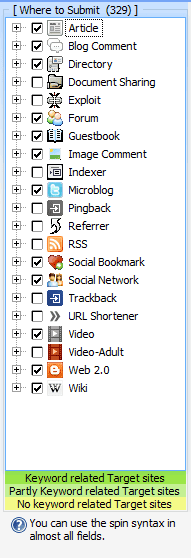
Search engines reward natural link profiles that display genuine platform variety. Premium GSA SER link lists include a wide spectrum of target types—article directories, social bookmarks, wiki pages, web 2.0 properties, forum profiles, and comment sections. When these platforms carry real domain authority and human traffic, the links generated carry more weight than those from an endless string of identical guestbook entries.
Filtered for Spam and Malware
One underappreciated benefit of professionally maintained GSA SER link lists is the filtering process. Listing vendors who care about results will remove domains known for distributing malware, hosting spam content, or residing on permanently penalized IP blocks. Importing unscreened targets can inflict collateral damage on the money site’s reputation, making this filtering an indispensable guardrail.
How to Build Your Own GSA SER Link Lists
Purchasing pre-made lists offers convenience, but many advanced users choose to construct custom GSA SER link lists to gain full control over quality and relevance. The process begins by selecting footprint search strings unique to each platform type. Tools like Scrapebox, GSA Proxy Scraper, and GSA’s own search engine scraper can harvest massive volumes of potential targets in minutes.
After the initial harvest, the crucial verification stage begins. Loading candidates into GSA SER’s test mode—or using third-party duplicate removal and Alive check tools—separates dead domains from live websites. The survivors then undergo platform identification to confirm whether they genuinely accept the expected engine type before being saved into category-specific files for import.
Footprint Research and Engine Mapping
Building effective GSA SER link lists demands continuous footprint research. As platforms update their software and websites go offline, yesterday’s footprints become stale. Successful practitioners maintain an evolving library of search footprints tied to each supported engine, constantly refreshing their target pool. Engine mapping—assigning the correct submission engine to each target—prevents wasteful failed submissions and keeps log files clean.
Best Practices for Importing and Using Link Lists
Blindly importing thousands of targets into an active project is a recipe for chaos. Strategic use of GSA SER link lists involves proper project segmentation, tiered linking, and disciplined verification schedules. Smart users separate their link lists by platform category and assign them to the appropriate tier—high-authority platforms for tier 1 buffer sites, and broader, lower-quality lists for tier 2 and 3 support layers.
Setting daily submission limits, using relevant anchor text distribution, and pairing imported targets with robust spam filtering inside GSA SER creates a self-cleaning system. Projects configured this way ignore wildly irrelevant domains and focus only on targets from the imported lists that pass all additional user-defined criteria like minimum page rank, OBL limits, and language filters.
Regular List Maintenance and Pruning
GSA SER link lists are not static assets. A list that performed well three months ago may contain a high percentage of dead links today. Implementing a routine where lists are re-verified through automated systems—or even through GSA SER’s own ability to track successful versus failed submissions—keeps the engine running efficiently. Pruning persistent fail targets reduces proxy consumption and lifts the overall success rate of every project.
Risks and Responsible Usage
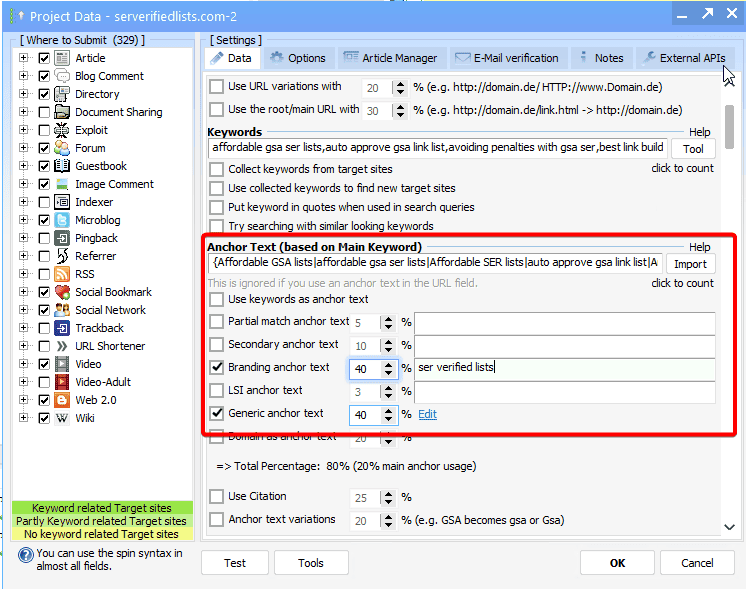
It is impossible to discuss GSA SER link lists honestly without addressing risk. Link automation sits in a grey area of search engine guidelines, and aggressive list-driven campaigns can trigger manual reviews or algorithmic dampening. The safe path uses these lists as a foundation for building diverse buffer layers rather than pointing thousands of direct automated links at a money site. Link velocity control, drip-feeding, and constant monitoring of the primary domain’s backlink profile are mandatory habits.
Another practical risk involves the source of purchased lists. Some vendors sell GSA SER link lists packed with hacked websites, link injection targets, or domains that are actively monitored by security researchers. Falling into those traps can expose servers, site reputations, and IP addresses to unnecessary danger. Vetting sellers through community forums and independent reviews offers a layer of protection before money changes hands.
Where to Find Reliable GSA SER Link Lists
Several established marketplaces and SEO forums host sellers who specialize in GSA SER resources. Popular board sections include BST (Buy/Sell/Trade) threads on BlackHatWorld, dedicated GSA forums, and private groups on platforms like Facebook and Discord. Free lists circulate occasionally in community giveaway threads, though these tend to be widely shared and quickly exhausted.
When evaluating a potential purchase, look for sellers who offer regular updates, demonstrate transparent sample lists, and provide clear documentation on their filtering methodology. Test imports on isolated projects before committing important campaigns to any new external source. The best GSA SER link lists are maintained by operators who use the tool daily and understand the relationship between curated targets and consistent ranking movement.
Final Thoughts
GSA SER link lists occupy a significant niche in the automated SEO landscape. They compress weeks of manual research into instantly importable assets, freeing users to concentrate on strategy rather than drudgery. Yet they remain tools that amplify both good and bad decision-making. When matched with contextual tier structures, content quality on buffer sites, and patient link velocity, these lists can contribute to sustainable organic growth. When used recklessly, they accelerate toward footprints that leave a trail visible to any search quality analyst. Choose your sources wisely, refresh often, and never let the list do the thinking for you.
more info Report this page