Why Spanish immersion schools deliver results and why many parents only understand it by the third year
During a fundraiser, a parent, Maria, approached me, half panicking. Her child had started speaking Spanish to the dog. “Should I be concerned?” Yes, I told her—that’s exactly the goal. 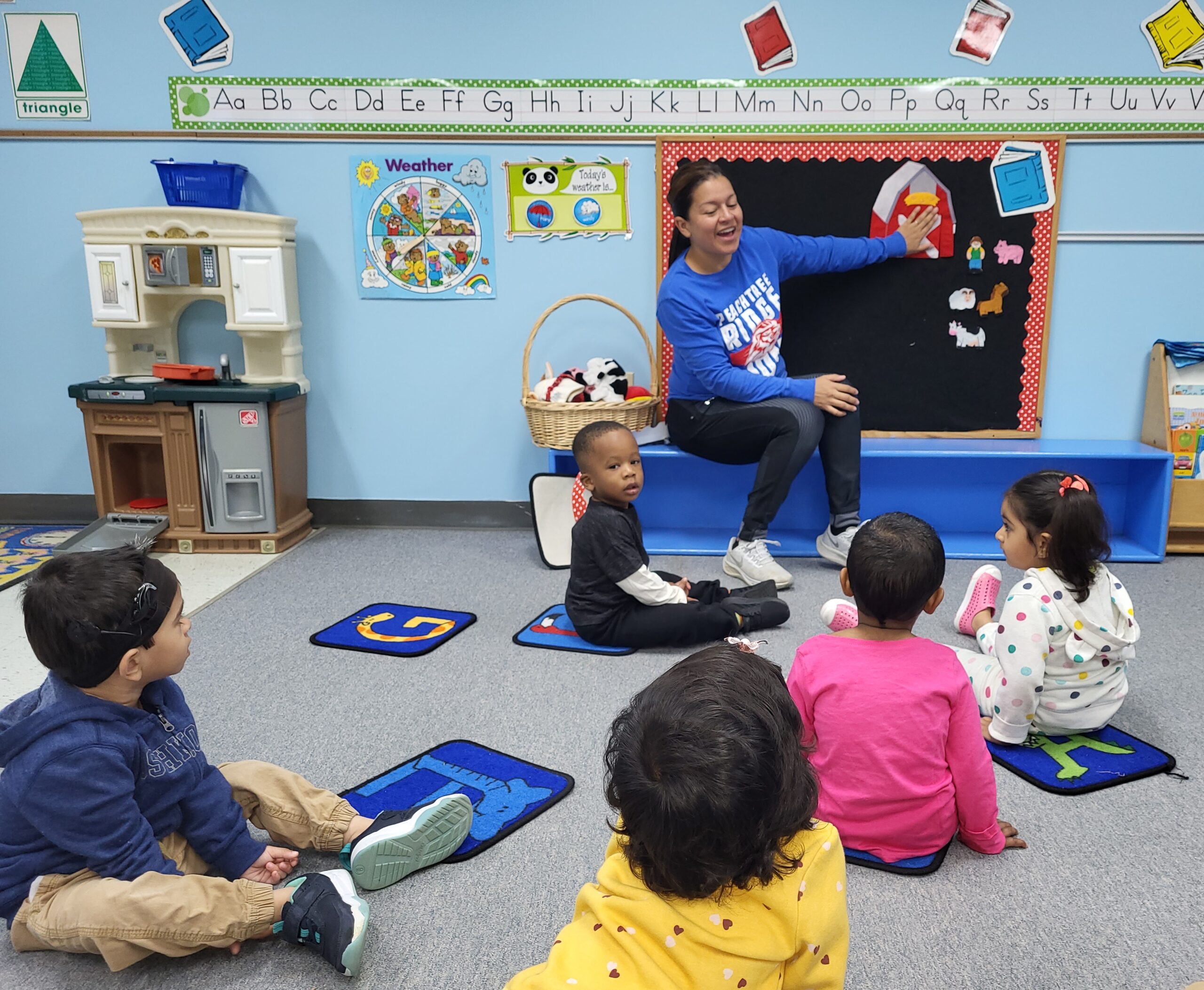 Spanish immersion schools fully immerse children in language. It resembles learning to swim by immersion. Teachers guide them constantly, but one key thing is missing: not everything is translated. Teachers use gestures, repetition, and context. Children absorb it through constant input. What parents aren’t always told is this: the beginning isn’t easy. Your child may come home exhausted, upset, or silent. That silence? It’s actually positive. It’s called the silent phase, when the brain is absorbing everything. It’s a strong sign of learning. Research has long shown that bilingual children often develop better cognitive control. They’re better at switching focus, filtering distractions, and solving problems. Learning Spanish doesn’t just add a language—it reshapes how they think. The social impact is just as powerful. Children gain cultural fluency that goes beyond vocabulary lists. They learn that “abuela” isn’t just a translation of grandmother—it represents a lived experience. Teachers in immersion classrooms do remarkable work—often without recognition. One teacher described her classroom as a “living dictionary”. Everything is conducted in Spanish. The classroom speaks. A frequent question is: “Will my child fall behind myspanishvillage in English?” Research suggests the opposite. Students in dual-language programs often outperform monolingual peers in literacy assessments later on. The cross-language brain connections they develop are highly effective. There’s also the confidence factor—often overlooked. A child who can navigate a Spanish-speaking environment gains independence. They learn they can handle challenges. That mindset carries forward. Programs vary widely. Some follow a 90/10 model (mostly Spanish early on), while others begin with a 50/50 split. Research tends to support strong early exposure to Spanish, but fit and environment are equally important. One useful suggestion: visit the school on a normal weekday, not just during an event. Watch how teachers support beginners. Observe lunchtime interactions. Even 30–90 minutes of observation can tell you more than any polished presentation. Spanish immersion schools aren’t a shortcut. They require time and persistence—from both children and teachers. But for families who commit, the result is powerful: a child who can connect across languages with confidence.